Flexibility is useful, but it is not the whole picture
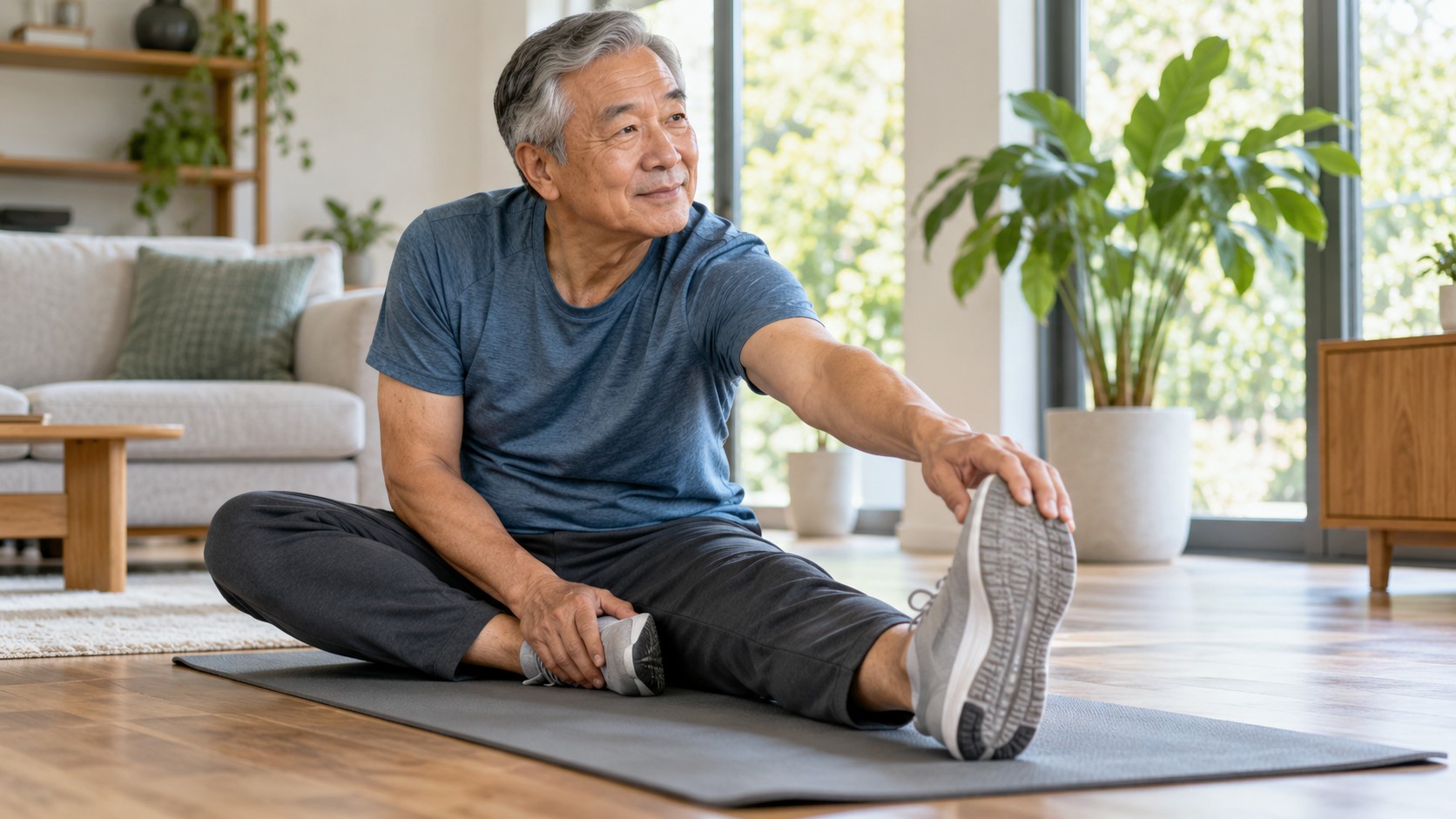
Flexibility is the ability of a joint to move through its available range. NIA notes that stretching can help maintain or improve flexibility and make everyday activities such as reaching or bending easier.
Stretch warm muscles
NIA recommends stretching when muscles are warmed up, such as after walking, endurance exercise, or strength work. Stretching cold muscles aggressively is unnecessary and may be uncomfortable.
Do not stretch into pain
A useful stretch should feel controlled, not sharp or painful. Move slowly, breathe normally, and avoid bouncing. If a movement repeatedly causes pain, stop and consider professional guidance.
Mobility also depends on strength
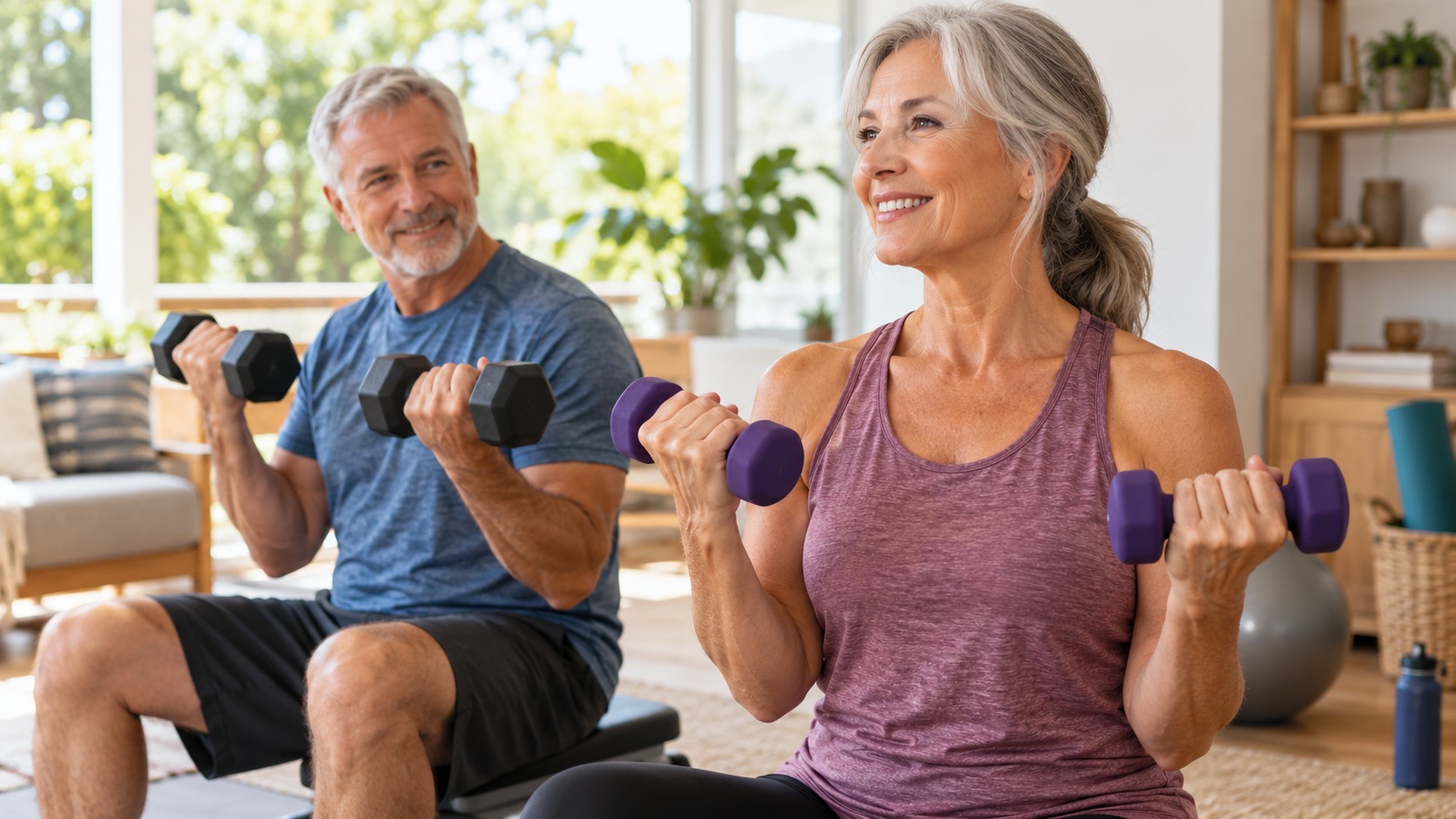
Being able to reach a position is only part of functional mobility. Strength helps you control that position. That is why stretching pairs well with resistance training and regular movement.
A practical five-minute routine
After a walk or workout, spend a few minutes on areas that commonly feel tight: calves, thighs, hips, chest, and upper back. Use comfortable positions you can enter and exit safely.
When to get help
Persistent loss of motion, swelling, numbness, or pain that interferes with normal activity deserves evaluation. A physical therapist can help distinguish stiffness from problems that require a more individualized approach.
Sources we checked
National Institute on Aging — Three Types of Exercise Can Improve Your Health and Physical Ability