
Why walking deserves more credit
Walking is easy to underestimate because it does not look complicated. But regular physical activity is one of the strongest foundations of healthy aging, and walking is one of the simplest ways to accumulate aerobic activity. The National Institute on Aging notes that physical activity can support fitness, healthy weight, quality of life, functional ability, and independent living as we age.
The important part is not chasing a perfect step count. It is moving more consistently, at a level that is appropriate for your current fitness and health.
What walking can help support after 50
Regular walking can contribute to the broader benefits of aerobic physical activity, including cardiovascular fitness, physical function, mood, and the ability to keep doing everyday activities. For older adults, staying active is also closely tied to maintaining mobility and independence.
Walking does not replace strength or balance training. Think of it as one part of a complete healthy-aging activity plan.
How much walking should you aim for?
For adults, the CDC recommends at least 150 minutes of moderate-intensity aerobic activity each week, plus muscle-strengthening activity on at least two days. Brisk walking can count toward the aerobic target. The 150 minutes can be divided across the week rather than completed in long sessions.
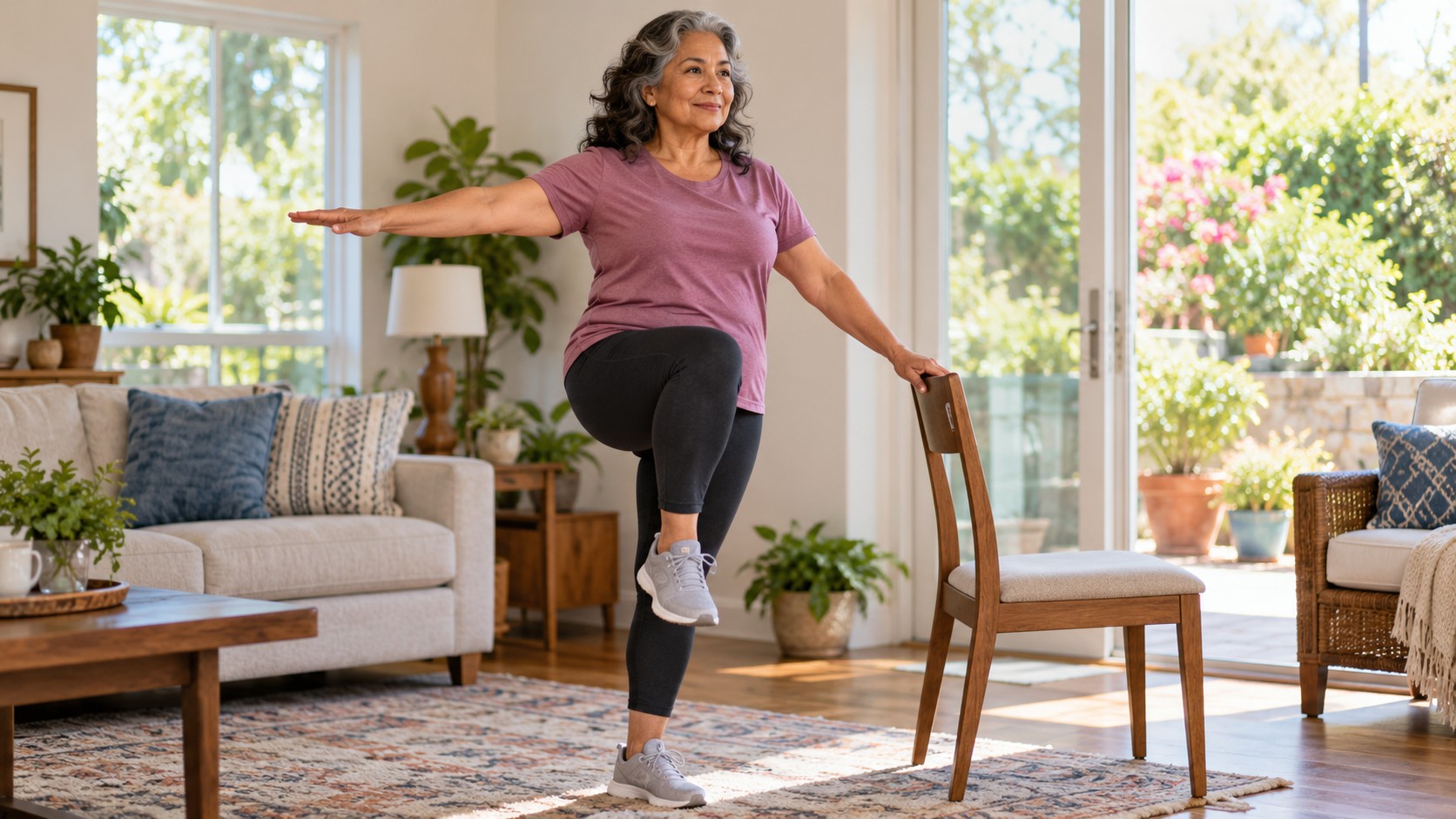
For adults age 65 and older, CDC guidance also emphasizes activities that improve balance in addition to aerobic and muscle-strengthening work.
If 150 minutes sounds far from where you are today, that is not a reason to wait. CDC and NIA guidance both emphasize that some activity is better than none and that activity can be increased gradually.
A realistic way to start
Start below the level that makes you feel you have to “prove” anything. The National Institute on Aging recommends increasing physical activity gradually over weeks to months to reduce injury risk.
A simple progression might be 10 minutes of comfortable walking on several days in the first week, then adding a few minutes as the routine begins to feel normal. If you already walk regularly, you may be ready for longer or brisker sessions. Your starting point should reflect your current ability, not someone else's.
What does “moderate intensity” feel like?
Moderate intensity is relative to your fitness. A pace that feels moderate for one person may feel easy or vigorous for another. The practical goal is a purposeful pace that clearly increases your effort while remaining sustainable.
You do not need every walk to be brisk. Easier walks still add movement to your day, and consistency matters.
Do not skip strength and balance
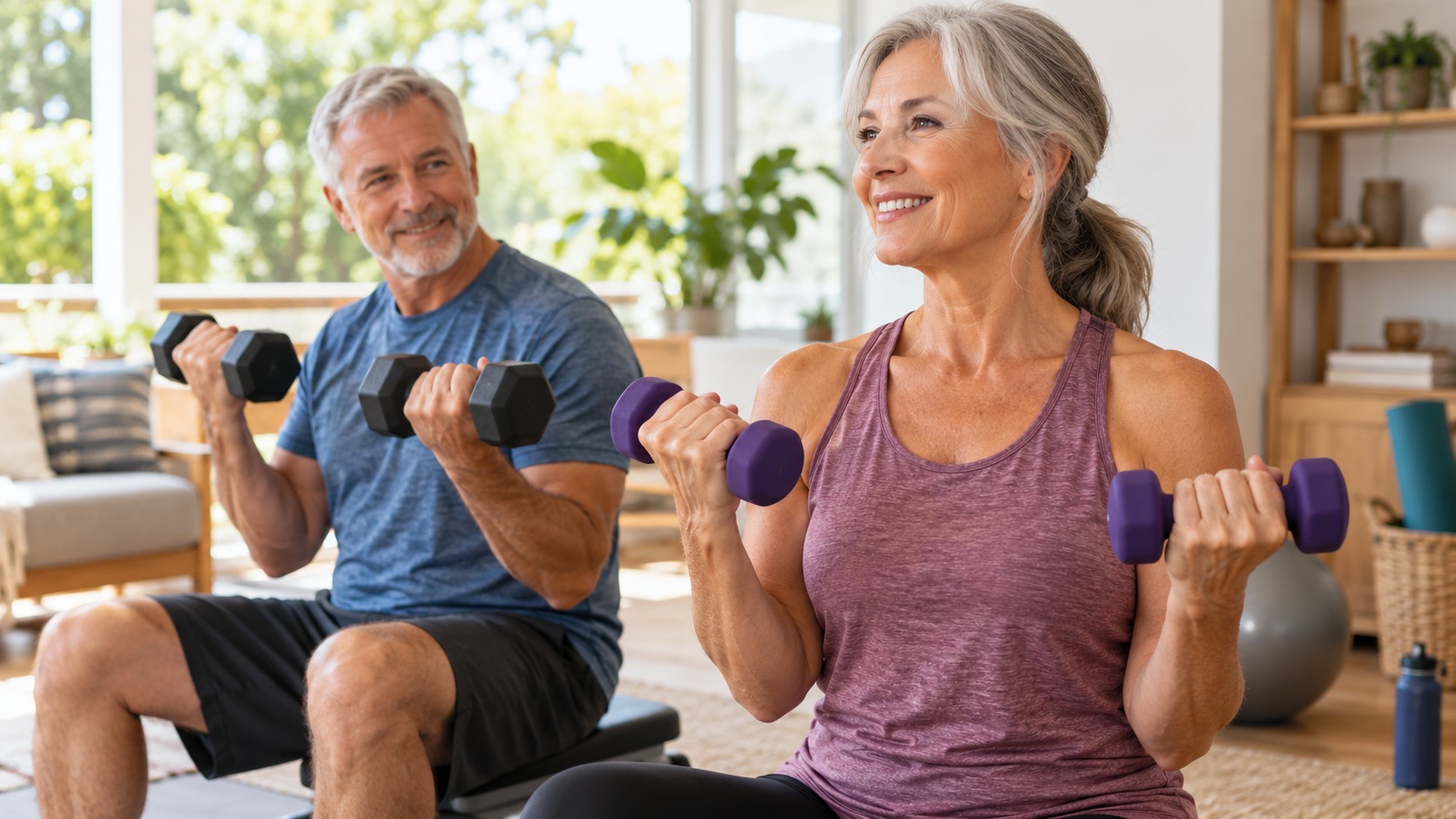
Walking is excellent aerobic activity, but it does not fully address the muscle-strengthening and balance components recommended for healthy aging. Add resistance exercise at least twice a week, and if you are 65 or older, include balance-focused activity as well. Depending on the activity, yoga, tai chi, gardening, and other forms of movement can provide more than one type of training.
Make walking safer
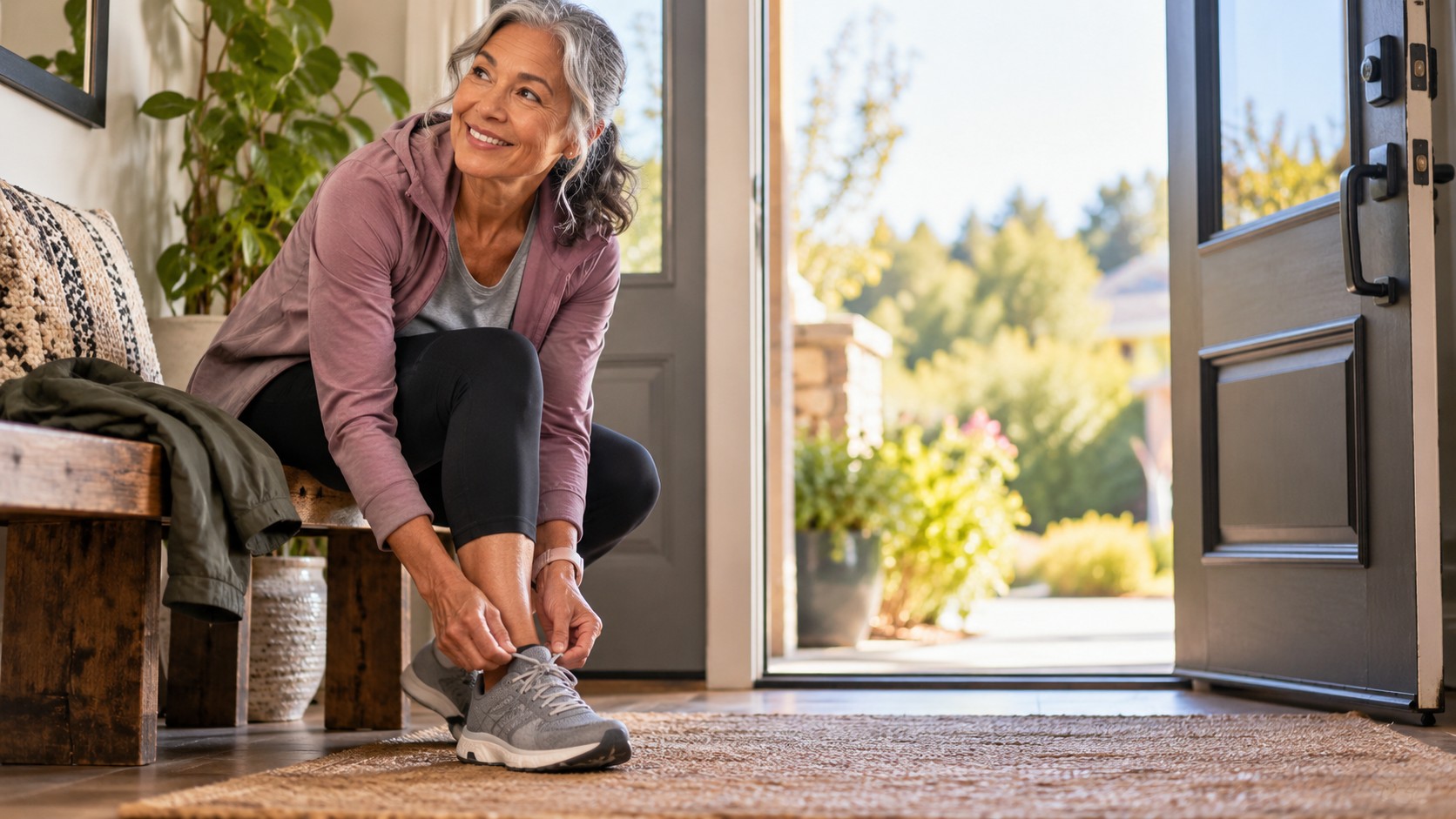
For outdoor walks, the National Institute on Aging recommends planning your route, using sturdy appropriate footwear, staying alert, choosing sidewalks or paths when possible, watching for uneven ground, and adjusting plans for extreme weather. Carrying identification and a phone can also be useful, particularly when walking alone.
If balance is a concern, use an assistive device when it has been recommended for you and make sure it is properly fitted. A physical or occupational therapist can help with safe use.
When to check with a health professional first
If you have a chronic health condition or disability, CDC guidance recommends discussing appropriate types and amounts of activity with a health professional or physical-activity specialist when needed. The same is sensible after a significant injury, a recent change in health, or if you are unsure whether a new exercise routine is appropriate for you.
Walking should be a tool for building capacity and confidence — not something you force through concerning symptoms.
A Better Years Verified starter plan
Week 1: Choose a comfortable route and walk for about 10 minutes on three or four days.
Week 2: Add a few minutes to two of those walks if you are recovering comfortably.
Weeks 3–4: Gradually work toward a pace and duration that feel purposeful but sustainable.
From there, keep building toward the weekly activity guidelines in a way that fits your abilities, schedule, and health.
Need walking gear?
We created a separate shopping guide for footwear, hydration, activity tracking, and trail stability—using the same Better Years Verified standard.
See Walking Gear Worth Comparing →The bottom line
You do not need a complicated program to begin improving your activity level after 50. Walking is inexpensive, adaptable, and easy to repeat — which may be its biggest advantage. Start where you are, progress gradually, and combine walking with strength and balance work for a more complete healthy-aging plan.
Sources we checked
CDC — Older Adult Activity: An Overview
CDC — What Counts as Physical Activity for Older Adults
National Institute on Aging — Tips for Getting and Staying Active as You Age
National Institute on Aging — Safety Tips for Exercising Outdoors
National Institute on Aging — Health Benefits of Exercise and Physical Activity